

Huaqiangbei market day
Plan a private, one-to-one English-language market day around your component and sample list, with help navigating WeChat Pay or Alipay setup.
$299 / private day
View itineraryON-SITE HARDWARE SOURCING · SHENZHEN
Visit Huaqiangbei with bilingual sourcing support, compare hardware samples in person and meet relevant manufacturers in Shenzhen or Dongguan. For founders, makers and small-batch buyers.
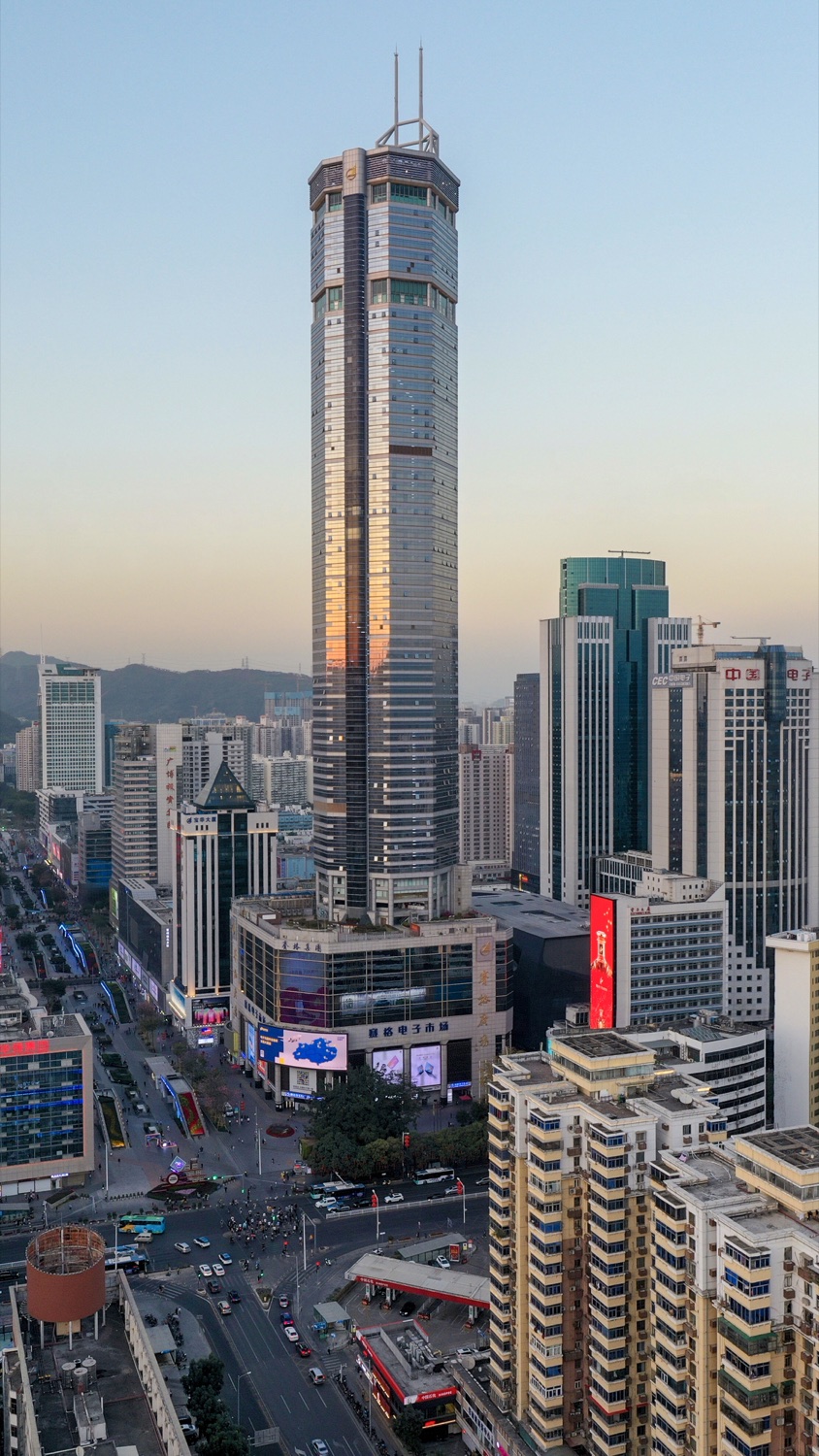
Pilot pricing in USD. Confirm the guide, dates, fees and any factory access before booking.
Plan a private, one-to-one English-language market day around your component and sample list, with help navigating WeChat Pay or Alipay setup.
$299 / private day
View itinerarySpend day one in Huaqiangbei and request one or two visits to relevant PCB, SMT or injection molding factories in Shenzhen or Dongguan, with interpretation.
$599 / 2-day itinerary
View itineraryA proposed small-group itinerary for hardware founders, from components and prototype planning to assembly and pilot-run decisions.
$2,499 / person · 4 days
View itineraryThe proposed model is a fixed visit fee, with purchases paid directly to sellers. Before booking, confirm what is included and whether anyone receives a supplier-side payment. Remote order execution, independent inspection and freight require their own scope.
Compare two written hardware quotes · Download the RFQ template
Choose a route by the decision you need to make. Each guide covers a different part of the buying trip.
Use the market map to find the right building and compare the same specification at multiple stalls. Start with part number, package, sample quantity and approved alternatives.
Identify the one thing your next build must prove. Choose between a stocked component, a printed fit sample, a CNC part and an assembled prototype board.
Identify the factory or test process you want to see. Confirm the exact address, site access, what the supplier can demonstrate and who will answer technical questions.
Plan a first visit around market browsing, public exhibits or product demos. Give production meetings their own appointment and objective.
Leave the visit with samples you can identify, quotes you can compare and a list of decisions that still need evidence. Use these worksheets with or without a guide.
Record the building and stall, exact part revision, test result, minimum order and availability of a repeat lot.
Download the sample logAsk every supplier for the same drawings, lot sizes, delivery terms and tests. Use the same cost categories before comparing.
Download the hardware RFQRecord the process you saw, the claims made by the host, the documents still due and who owns the next action.
Download the visit worksheetBring the item you are replacing or a one-page specification. Set the maximum cost of the experiment and define how you will test what you buy. A market appointment is useful if two or more options can be compared in person. If the exact manufacturer, traceability or a certification is a hard requirement, start by checking authorized supply and use the market to study equivalents separately.
Write down which design and production decisions are still open. For example, you may know the board fits but need to compare hand assembly with a repeatable fixture. Request a manufacturing meeting with the people who can discuss the process, materials, test acceptance and engineering changes. A stall quote for a single part cannot answer those manufacturing questions.
Compare agents by their fee structure, who places orders, who owns supplier relationships, how payments flow and how inspections are commissioned. Ask for a sample reporting format and a clear escalation procedure for rejected goods. If you are evaluating our trip, the proposed scope is itinerary support, in-person meetings and interpretation. A managed purchase order, independent inspection and freight are separate services that require their own provider and terms.
Use the visit to settle a short list of open issues. Confirm the manufacturing address, operation you need to observe and who from the engineering or quality team will attend. Share an agenda using a non-sensitive product description. Ask for written permission before bringing a camera, conducting tests or inviting another attendee. If you need independent audit evidence, arrange an audit with a qualified party and define the scope in writing.
| Project or part | What to bring | What to resolve in Shenzhen |
|---|---|---|
| PCB and PCBA | Non-confidential board description, intended volume, test requirements and any hard component constraints. | Who fabricates and assembles, whether input parts are supplied or sourced, and which test steps are included. |
| Sensors, displays and modules | Part number, interface, size, power and software requirements. | Which sample matches the revision, whether the seller can demonstrate it, and what a pilot order can use consistently. |
| Enclosures and mechanical parts | A dimensioned outline, critical fit surfaces, finish reference and quantity. | Whether to start with stock, print, machine or mold, plus the inspection, tool and finish cost. |
| Cables and connectors | Mating component, connector drawing, pinout, length and strain-relief needs. | Which variant matches the assembly and how the supplier verifies each end and the actual wiring. |
| AI or connected hardware | The feature you want to evaluate, such as offline behavior, camera interface or device setup. | Whether the demonstration and quoted unit use the same hardware, firmware and required services. |
For a prototype, combine this list with the manufacturing process selection guide. For market research, use the Huaqiangbei building routes and sample checks.
| Term | Question to ask | Why it matters |
|---|---|---|
| Fee structure | Is the fee fixed, hourly, commission-based or included in the product price? | Compare total cost for the same work and ask whether any supplier-side payment is received. |
| Supplier identity | Who sends the quotes, and will I receive the supplier's details? | Clarifies whom you can contact about defects, technical changes and repeat orders. |
| Order ownership | Which entity is on the purchase order and who receives my payment? | Determines who is responsible for confirming specs and handling disputes. |
| Visit scope | What is included in the proposed guide fee, and what requires a separate quotation? | Separates time and interpretation from samples, vehicles, testing and third-party services. |
| Evidence | What documents or visit notes can I expect and what depends on host permission? | Sets an expectation for recording what was confirmed, claimed or still unknown. |
| Changes | What happens if a host cancels or the planned operation is unavailable? | Allows you to agree on an acceptable alternative before making travel decisions. |
For the pilot itineraries on this site, review the quoted guide scope, taxes or fees where applicable and any reimbursable expenses before confirming. Agree who owns your supplier introductions and what contact information can be shared. A supplier quote or a factory invitation alone does not establish a service commitment.
The posted fee is the proposed itinerary price. Estimate the visit cost separately from the supplier order so you can decide whether a one-day sample trip or a longer supplier schedule is worth it.
Imagine a hardware team with a working desk-device prototype. It wants to evaluate a smaller display and find out whether a pilot assembly run is realistic. Its brief lists the display interface, enclosure envelope and three functional checks. It also states the tentative pilot quantity and which mechanical details can still change.
On the first day, the team compares two working display samples in Huaqiangbei. It records exact model, connector and driver requirements before asking for sample and pilot prices. The team keeps a record of which sample it demonstrated and which one it purchased. If the two samples use different connectors, it leaves that difference visible instead of treating the price gap as a saving.
For the second day, the team requests an assembly discussion around one specific question: who would run the programming and final functional test? It confirms the production location and process in advance. If line access falls through, it asks for a technical meeting and a sample test record. If the purchase decision requires live evidence, it reschedules the factory visit.
The outcome is a bench-test plan for the displays and one comparable manufacturing request, with missing evidence attached. This is an illustrative project, not a past customer result.
Write the exact stage you want quoted. A board fabricator, assembly shop and full turnkey contractor are not interchangeable on the same scope. Ask each company to identify its in-house processes, equipment or methods relevant to the design and the operations it sends elsewhere. If a distributor quotes the complete job, determine who controls design changes and who owns the production relationship.
Ask for the legal entity on the quote, the name on the payment account and the production location. Where these differ, ask the supplier to explain the responsibilities of each party before agreeing to a payment. Save the company details and quote version with contact names. If your order depends on formal due diligence, engage a qualified provider and define what evidence is needed.
Pick a measurable requirement, such as a panel dimension after finishing or a function that must pass after programming. Ask each proposed supplier how it would verify it and whether it can provide a report matched to your sample. Where testing is outsourced, ask whose record you will receive and how the sample is identified. The response can reveal which seller understands the application and which quote still needs work.
At the end of a visit, assign an owner and deadline to each technical question. Record what can be decided now, what needs a quote and what needs sample testing. Do not allow silence about a drawing note or testing step to become a presumed inclusion. Confirm the change in writing if the supplier moving forward sends a different revision.
Download a hardware RFQ starter template and use the sample log to track quotes.
Imagine a team needs ten engineering units and a hundred pilot units. One supplier quotes a single board price including assembly but excludes programming, a functional test and any fixture. The other separates setup, programming and testing. Ask both to price the same board revision, parts list, quantities and approved alternates. Ask whether supplied parts, locally sourced parts or selected components from an authorized source are assumed.
Then request the same acceptance criteria for both quotes. A visual inspection and a powered functional test answer different questions. For the fixture, ask who owns it, how much it costs to revise and whether it is required for the engineering lot or the pilot. Record whether each supplier performs the work itself and what happens if a component is out of stock.
Compare the quote at each lot size. A setup-heavy quote may be expensive for ten units and affordable for a hundred. Before choosing a pilot supplier, inspect the first unit against your acceptance criteria and agree in writing which failures count as rework, rejection or a design issue.
The numbers below are illustrative USD values for the same part. No supplier quoted them. Suppose Supplier A lists a setup charge of $120 and unit prices of $14 at 10 pieces and $9 at 100 pieces. Supplier B lists $300 setup and $11 at 10 pieces or $7 at 100. Assume both quotes include the same inspection and exclude delivery and taxes.
| Quantity | Supplier A | Supplier B |
|---|---|---|
| 10 samples | $120 + (10 × $14) = $260 | $300 + (10 × $11) = $410 |
| 100 pilot units | $120 + (100 × $9) = $1,020 | $300 + (100 × $7) = $1,000 |
At 10 units A costs less. At 100 units B has a narrow lead before any additional charges. Ask whether setup is a one-time charge, whether the pilot reuses the sample setup and how a drawing change affects the costs. Even a small inspection or packing difference could change the decision. Keep eligibility, evidence and price in separate columns in the quote comparison.
Use this when the revision, currency, included tests and delivery terms match. Enter each supplier’s unit price and all confirmed one-time charges for the quantity you want to compare. Enter zero only if the supplier confirms there is no one-time charge. Run it again at the pilot quantity using the matching unit prices.
The prefilled inputs are illustrative. The comparison uses quantity × unit price + one-time charges. Shipping, tax or testing costs belong in the quote inputs only when both suppliers are compared on the same agreed basis.
Yes, if the goal is to compare existing products or learn which manufacturing processes are relevant. Bring use cases and hard constraints. A meaningful production quote usually requires a clearer specification, expected quantities and approval criteria.
Availability depends on the seller and the requested spec. Stocked parts or devices may be available, but a customized sample normally needs a separate quote and timing. Confirm any transport or airline restrictions directly with your carrier.
A visit can reveal processes and answer questions. Capability for your part still depends on drawings, tolerances, tests, lot size and responsibilities. Request an appropriate first article or pilot test.
Use one or two markets for comparisons and spend the final part of the day on samples and contacts. Move a production visit to a separately confirmed slot if the host cannot confirm access.
Prepare your Shenzhen sourcing trip brief. Include preferred dates, team size and the decision you need to make.